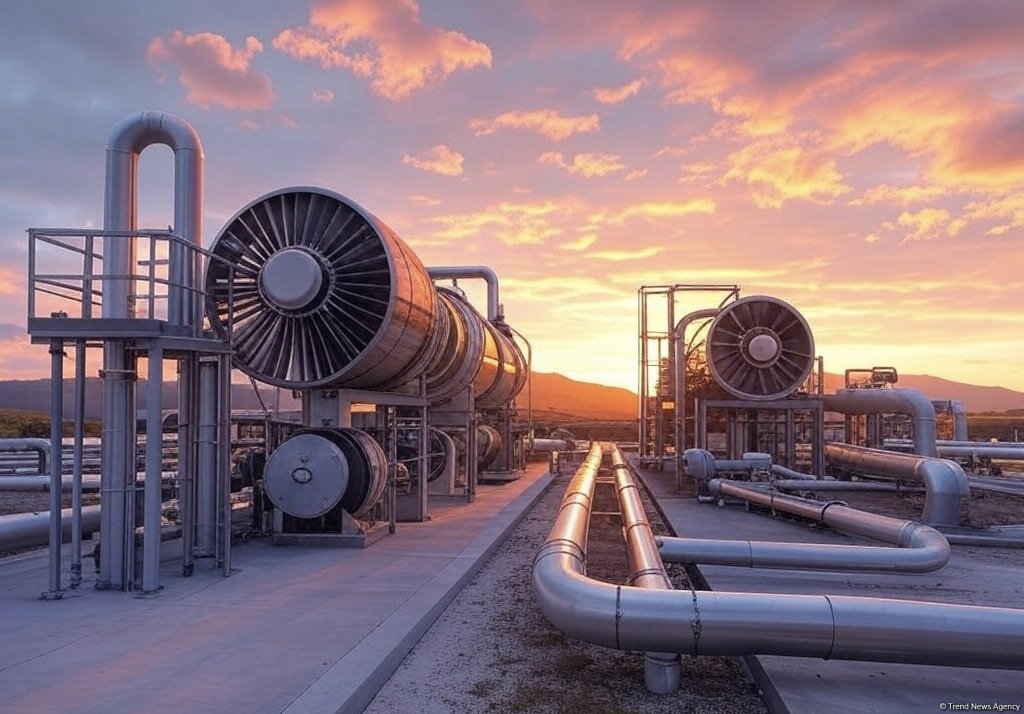
Iran’s National Oil Company has outlined plans to boost crude oil production to about 4.5 million barrels and gas output to roughly 1.3 billion cubic meters per day by 2029, while eliminating flare gas.
BAKU, Azerbaijan, November 1. Traditional friendship and brotherly relations unite Azerbaijan and Algeria, said President Ilham Aliyev in a congratulatory letter to President of the People’s Democratic Republic of Algeria Abdelmadjid Tebboune, Trend reports. "On the occasion of the national holiday of the People's Democratic Republic of Algeria - Revolution Day - I extend my most sincere congratulations and best wishes to You and, through You, to the fraternal people of Algeria on my own behalf and on behalf of the people of Azerbaijan. This historic day, inscribed with golden letters in the heroic chronicle of your country, is a manifestation of the Algerian people's determination for independence and freedom, their unwavering will, national unity, and solidarity. Traditional friendship and brotherly relations unite Azerbaijan and Algeria. We attach great importance to the development of these relations and the expansion of our cooperation. I am confident that, in line with the interests of our peoples, mutually beneficial cooperation between our countries - both bilaterally and on multilateral platforms - will continue successfully through our joint efforts," said President Ilham Aliyev.
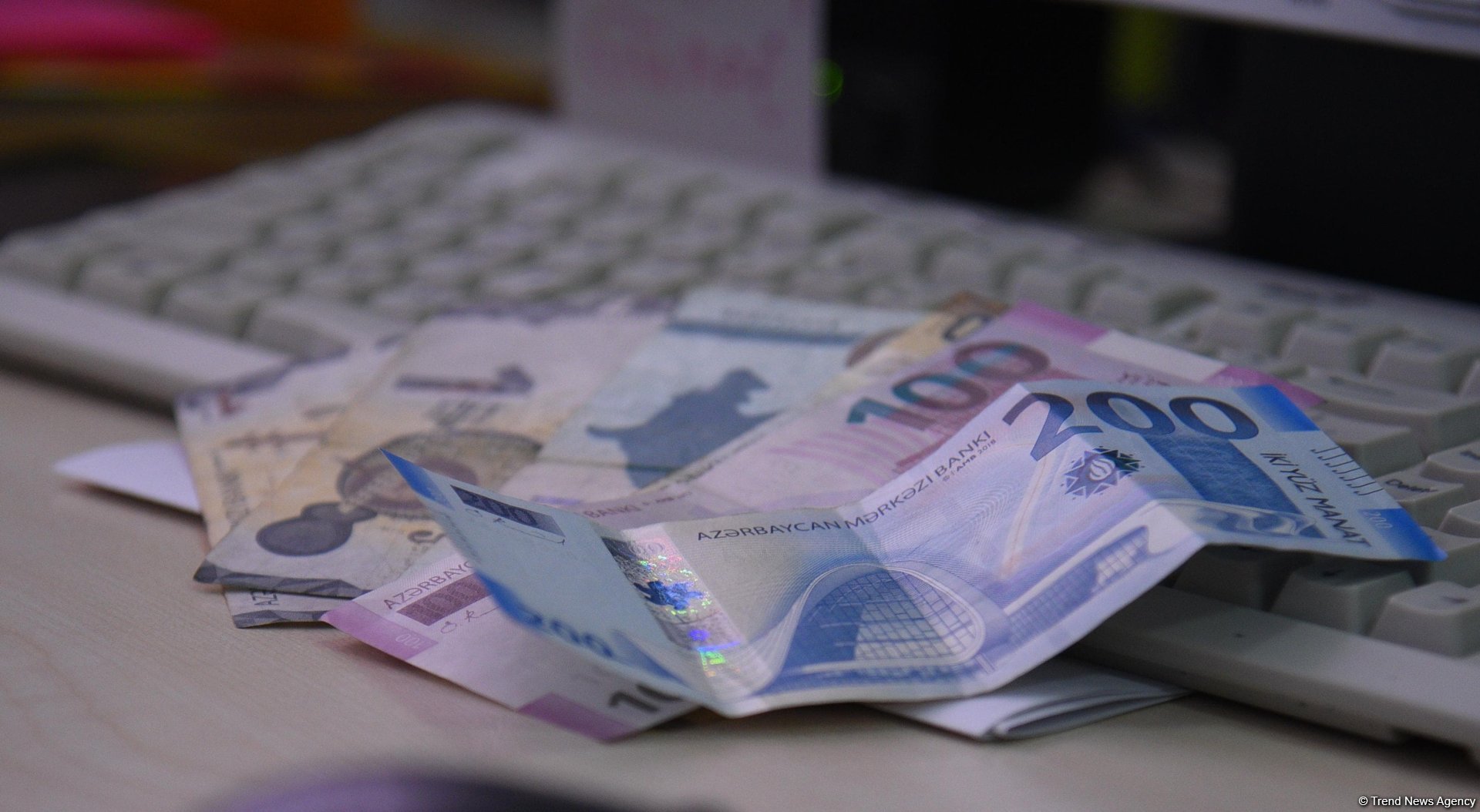
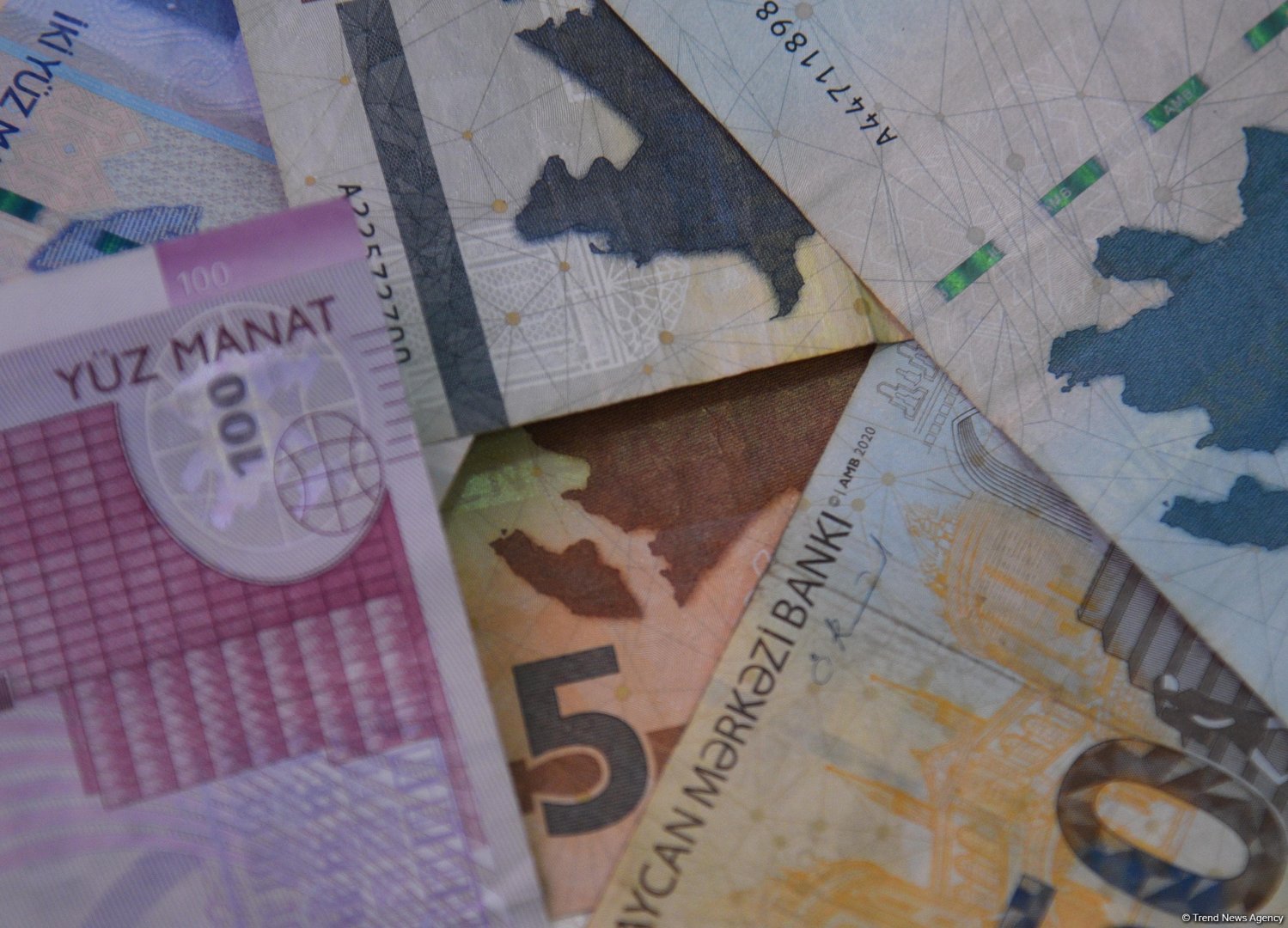
Micro-financing disbursements to entrepreneurial ventures in Azerbaijan escalated to approximately 3.42 billion manat as of the onset of October, reflecting an uptick of roughly 2 percent month-over-month and a substantial 16 percent increase year-over-year.
Iran has executed agreements totaling approximately $800 million to capture flare gas, with the objective of ceasing combustion at critical petroleum locations and facilitating the commercialization of nearly 300 million cubic feet.
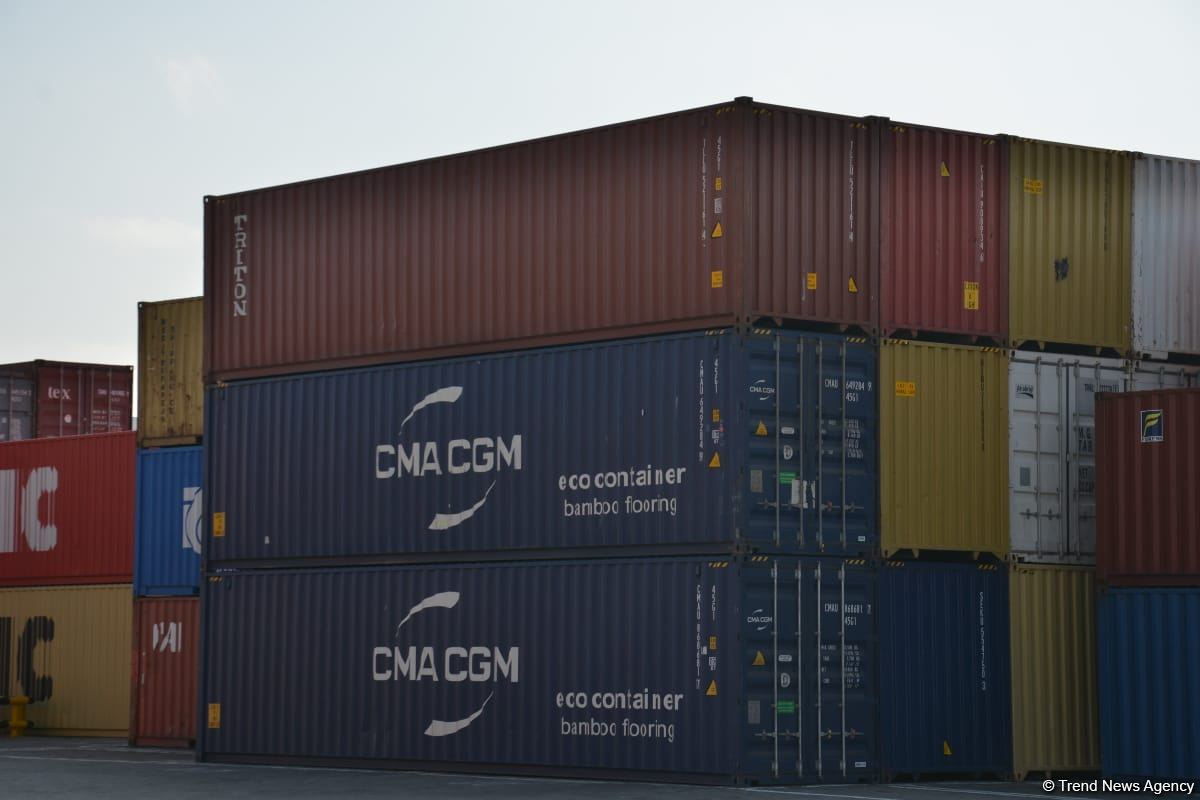
BAKU, Azerbaijan, November 1. U.S. coal exports declined 11% in the first half of 2025, totaling 46.8 million short tons (MMst), according to data from the U.S. Census Bureau released by the Energy Information Administration, Trend reports. Steam coal exports fell 10% to 22.5 MMst, while metallurgical coal exports dropped 13% to 24.2 MMst compared with the same period in 2024. Reduced shipments to China were the main driver of the decline, accounting for 73% of the total drop. Exports to China fell to 4.4 MMst, with metallurgical coal down 76% and steam coal down 68% from 1H24. The decrease follows Chinese trade measures, including a 15% tariff on U.S. coal in February and a 34% reciprocal tariff in April, as well as broader global market pressures from declining coal prices amid abundant supply and weak demand. Domestically, U.S. coal consumption for electric power has increased due to higher demand and rising natural gas prices, partially offsetting lower exports.
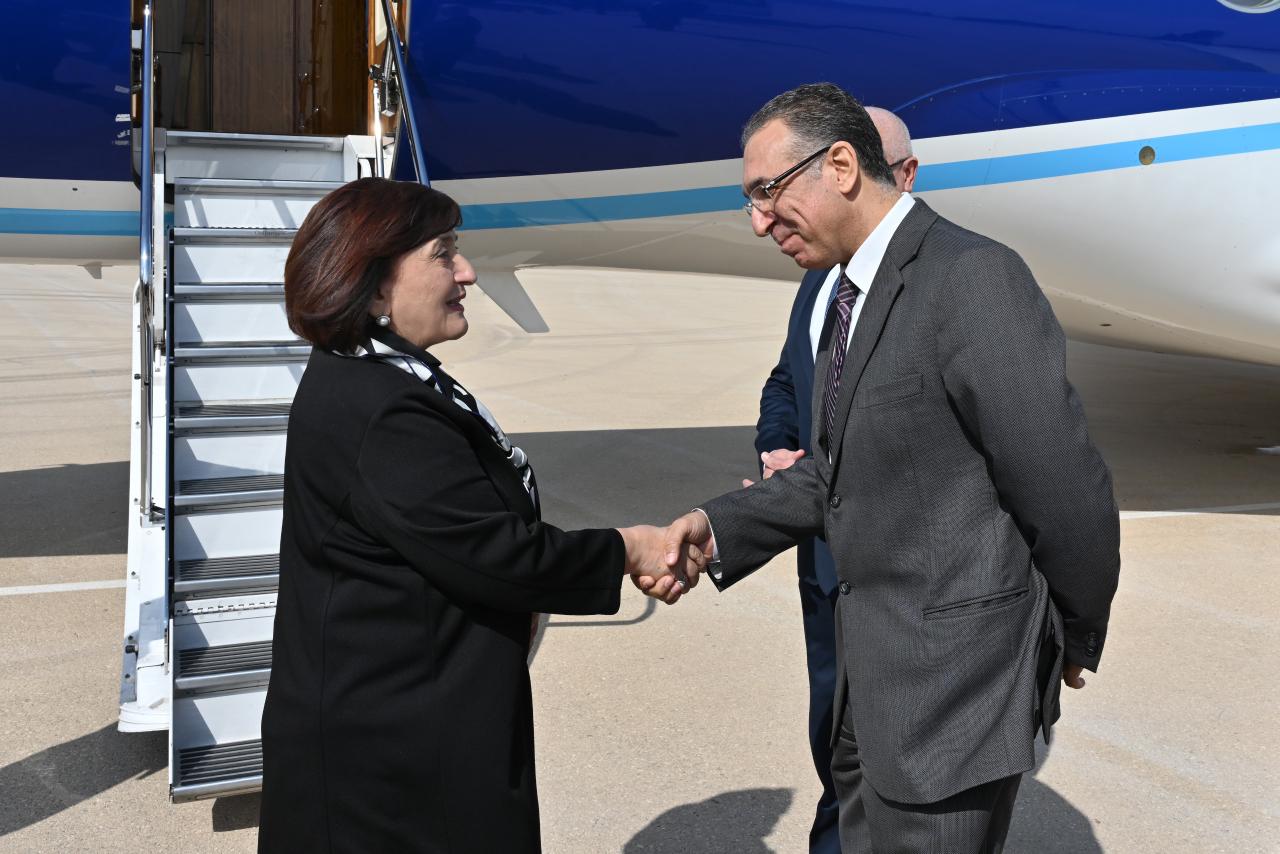
BAKU, Azerbaijan, November 1. Speaker of the Azerbaijani Parliament Sahiba Gafarova has arrived in Cairo, Egypt, on a working visit, a source in the parliament told Trend. Gafarova was welcomed at the International Airport by Ambassador of the Ministry of Foreign Affairs of Egypt Walid Shams, Ambassador of Azerbaijan Elkhan Polukhov and other officials. As part of the visit, she will participate in the opening ceremony of the Grand Egyptian Museum. Stay up-to-date with more news on Trend News Agency's WhatsApp channel
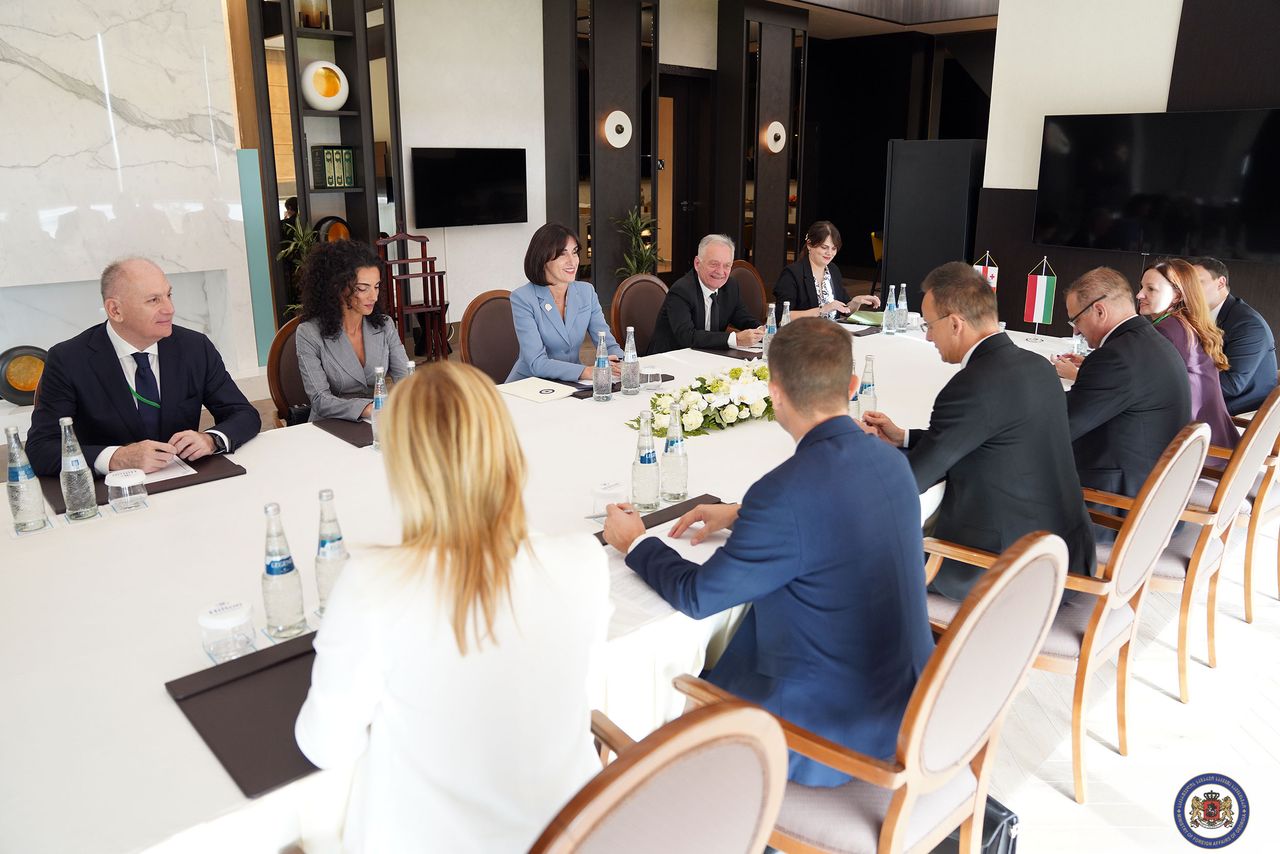
BAKU, Azerbaijan, November 1. Georgian Foreign Minister Maka Bochorishvili met with Hungarian Minister of Foreign Affairs and Trade Péter Szijjártó on the sidelines of the UNESCO General Conference in Samarkand, Uzbekistan, Trend reports. The ministers discussed key areas of the strategic partnership between Georgia and Hungary, as well as their relations with the European Union. Bochorishvili expressed gratitude to her Hungarian counterpart for Hungary’s steadfast support and underscored the importance of continued dialogue among partners as Georgia advances on its path toward EU integration. The two sides also exchanged views on current regional developments and reaffirmed their readiness to deepen cooperation across various fields to further strengthen bilateral relations.
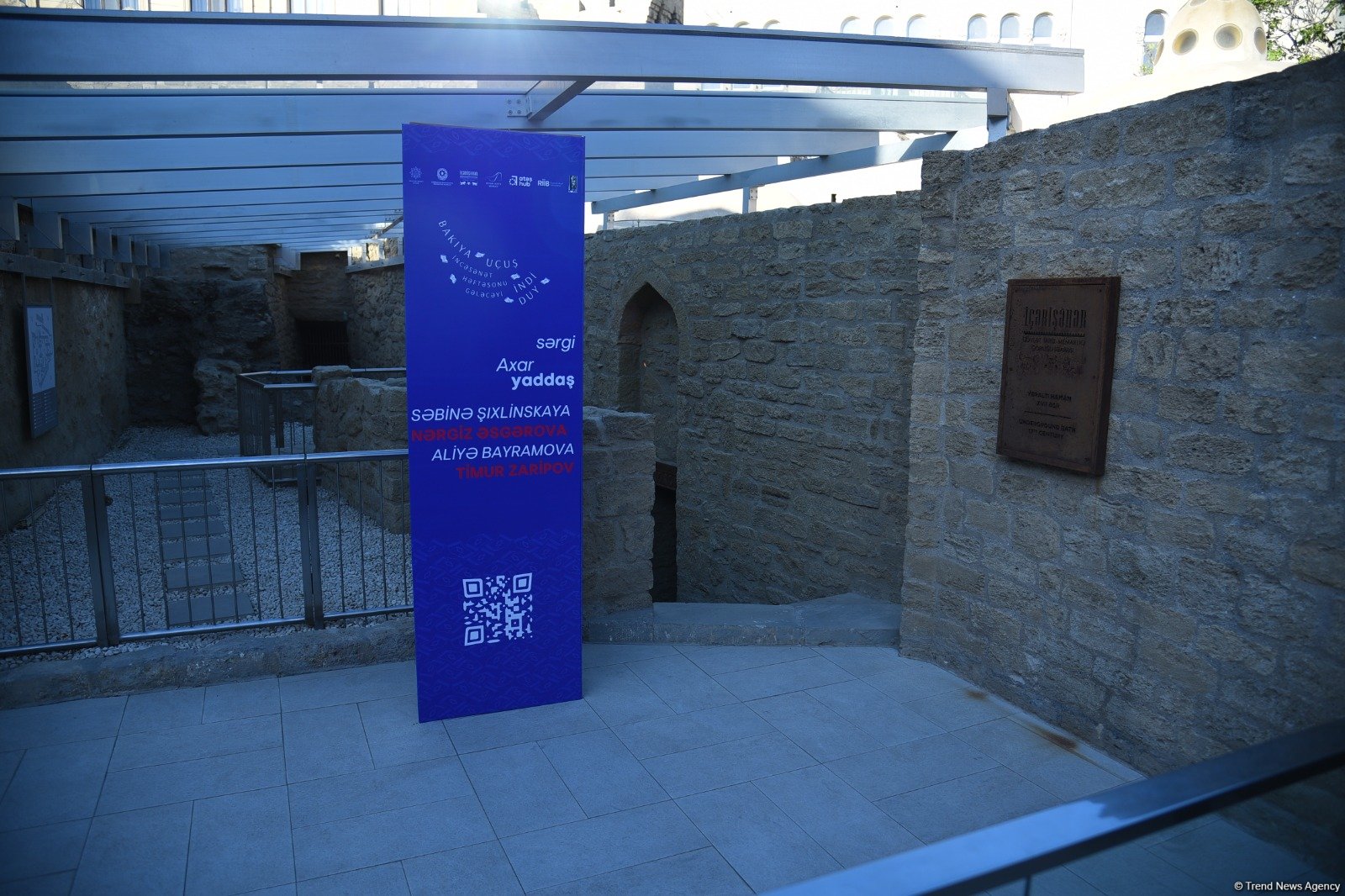
BAKU, Azerbaijan, November 1. A collective exhibition titled "Axar Yaddaş" (“Flowing Memory”), offering a contemporary interpretation of traditional bath culture, has opened in the 17th-century Underground Bathhouse nestled in Icherisheher, the Old City of Baku, within the festival "Fly to Baku. Art Weekend. Sense the Future NOW," Trend reports. Participating artists include Honored Artist Sabina Shikhlinskaya and young talents Nargiz Asgarova, Aliya Bayramova, and Timur Zaripov. Curator Mansura Mammadaliyeva noted that the exhibition dives deep into the well of tradition, unearthing the rich tapestry of bathhouse culture and history in Azerbaijan, all through the flowing currents of water, memory, and purification. Sabina Shikhlinskaya rolled out a video installation called Hamam (Bathhouse), which first saw the light of day in 2006 and has made quite the splash in around 15 countries. The composition "Hamam" reconstructs the atmosphere of 16th-century men's baths and the rituals of purification before prayer. The piece features musical excerpts from the album "Nostalgia" by renowned composer and People's Artist Faraj Garayev, creating a rhythmic structure parallel to the visuals and immersing the viewer in a state of meditative harmony and ritual experience. Human existence, in his vision, dances on the tightrope stretched between sin and purity, with the hammam serving as a liminal sanctuary where these two realms converge and intertwine. In this sacred stream, the liquid crystal not only purifies the vessel but also lifts the weight from the spirit's wings. Asgarova presented a unique nano video art piece titled "Su kimi ol" (Be Like Water), exploring the cultural and symbolic dimensions of water. For her, water is both the beginning of life and the bearer of cultural continuity; it combines purification, renewal, and transformation. In this context, the hammam takes on a special significance: here, water becomes not only a means of physical cleansing of the body but also a ritual element in the process of preserving collective memory and reviving personal identity. Using digital technology, the artist emphasizes the transformative power of water as a carrier of memory and identity. Bayramova and Zaripov presented the video art "Axarın fövqündə" (Above the Current), which explores the theme of cyclical purification and renewal of memory. On the screen, the dance of water and the whispers of nature unfold like scattered pieces of a forgotten dream. Each frame flickers like a fleeting star, illuminating the present before it gently fades into the ether—a dance of cleansing and renewal. The screen seems to transform into a vessel of water: images pop up, flow in and out, and vanish, leaving just a whisper of their presence. This shows that renewal isn't throwing the baby out with the bathwater but rather a subtle patching up of memory. The calm, non-narrative sound accompanying the video does not explain the images but merely conveys the passage of time, a sense of breath, and a steam-like warmth. Sound and image together invite the viewer into the subtle space between remembering and forgetting. Here, purification becomes an act of both letting go and passing on—the washed memories merge into another stream, continuing their existence. Azerbaijan's Baku is hosting the grand festival "Fly to Baku. Art Weekend. Sense the Future NOW," bringing together art, culture, and ecology from October 31 through November 2. The project is organized by the Heydar Aliyev Foundation and the IDEA Public Union in partnership with the Ministry of Culture of Azerbaijan, with Vice President of the Foundation and founder of IDEA, Leyla Aliyeva, as the project’s initiator. The immersive project has turned Baku into a living space for contemporary creativity, dialogue, and discovery, presenting over 40 projects across multiple locations. Great care is taken to shine a light on the ecological health of our oceans and seas, brought to life through the brushstrokes of art. Water, the lifeblood of our planet, is the heart and soul of the Art Weekend, paving the way for a rich exchange between Azerbaijan and the global artistic community, where ideas flow like a river and creativity springs anew. Stay up-to-date with more news on Trend News Agency's WhatsApp channel
Loan investments in Azerbaijan’s transport and communications sector by banks and non-bank institutions totaled 2.09 billion manat ($1.2 billion) as of October 1, 2025. This marks a monthly increase of 172.6 million manat ($101 million), or nine percent, and a year-on-year rise of 321.4 million manat ($189 million)
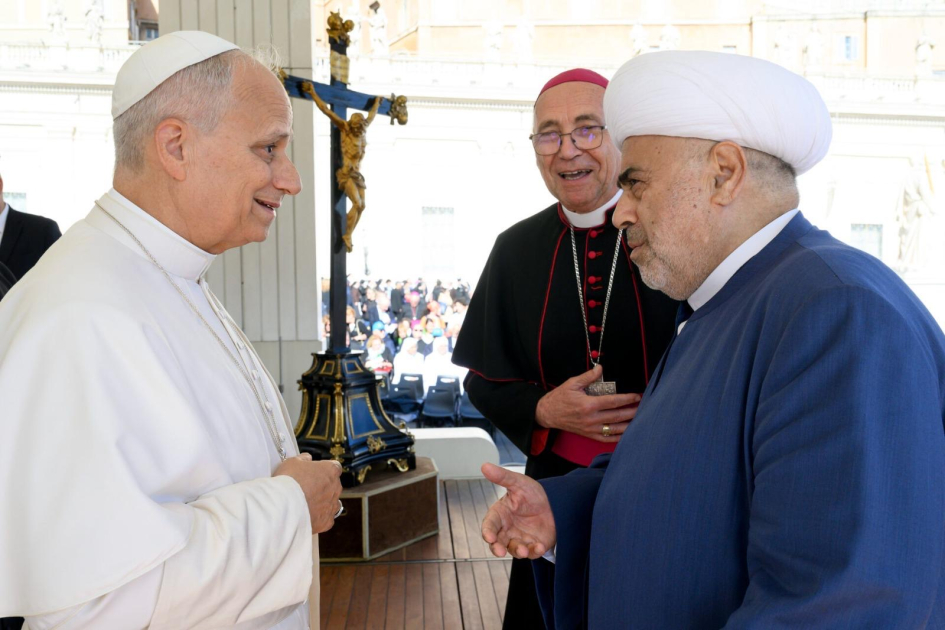
BAKU, Azerbaijan, November 1. Chairman of the Caucasus Muslims Office, Sheikhulislam Allahshukur Pashazade, met with the head of the Roman Catholic Church, Pope Leo XIV, during his visit to the Vatican. The meeting took place after the papal audience held in St. Peter’s Square. Pashazade conveyed greetings from Azerbaijani President Ilham Aliyev and First Vice-President Mehriban Aliyeva to the Pope, emphasized the importance of the Heydar Aliyev Foundation’s activities in the Vatican in recent years, and provided information on the construction of the second Catholic Church in Azerbaijan. The Chairman of the Caucasus Muslims Office stated that hosting Pope Leo XIV in Azerbaijan would be a great honor. It was noted that if the Pope visits Azerbaijan, he will be able to witness Azerbaijan’s interreligious harmony, high level of state-religion relations, and multicultural environment firsthand. Pope Leo expressed interest in visiting Azerbaijan and said he would adjust his schedule accordingly.
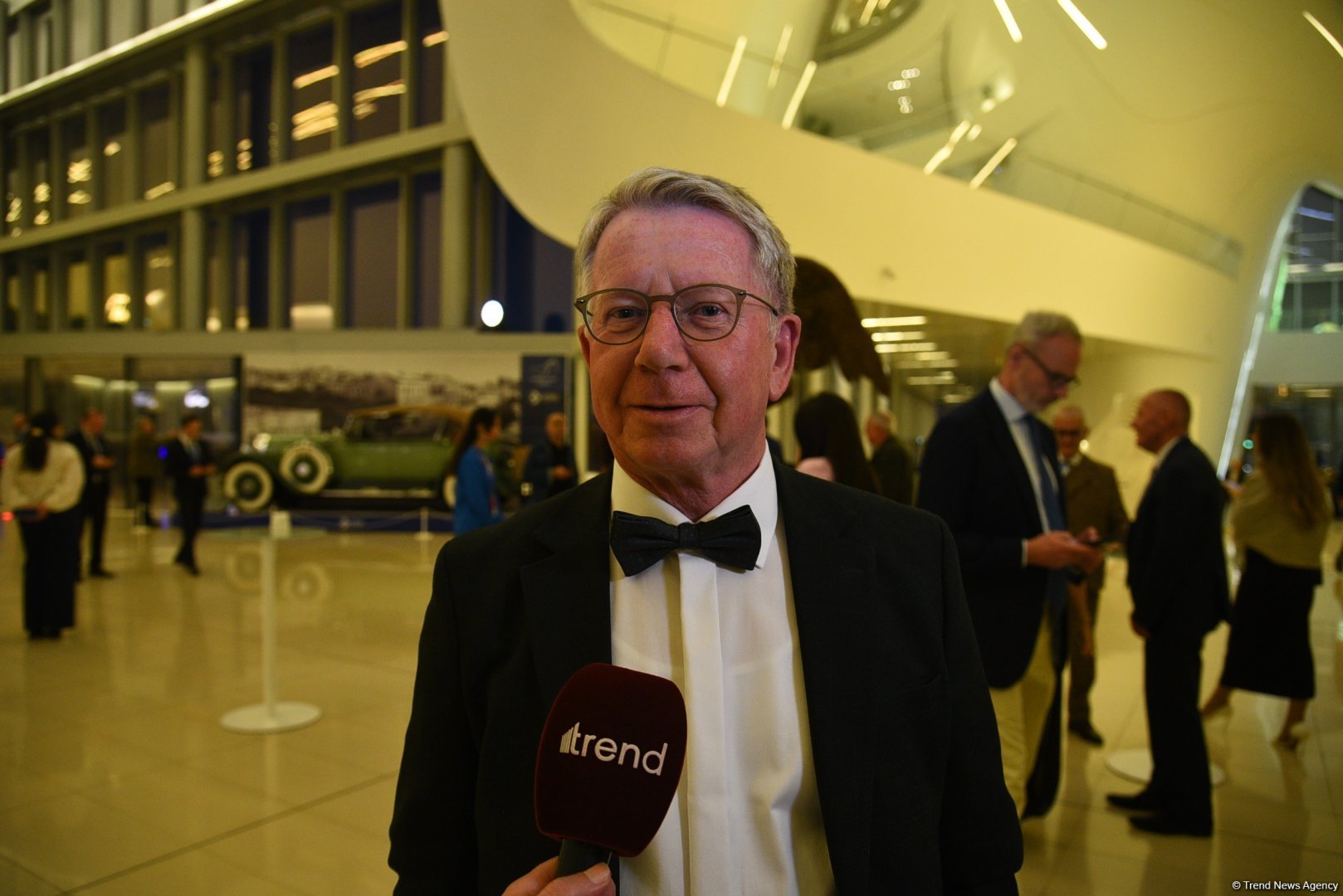
BAKU, Azerbaijan, November 1. International guests of the "Fly to Baku. Art Weekend. Sense the Future NOW" festival expressed admiration for the large-scale project, Trend reports. The festival is organized by the Heydar Aliyev Foundation and the Public Union IDEA, in partnership with the Ministry of Culture of Azerbaijan. World-renowned Italian artist and sculptor Giuseppe Carta extolled the festival’s rich tapestry of offerings, deeming it a wellspring of knowledge and a mirror reflecting the pulse of contemporary souls. "It is especially important that visitors can see the works of the famous Colombian artist and sculptor Fernando Botero, over 100 unique pieces of art. The festival is organized at the highest level, and over two days, I conducted my workshops at the Azerbaijan State Academy of Fine Arts," he said. It is noteworthy that Giuseppe Carta's personal exhibition "Gifts of Nature" at the Heydar Aliyev Center features large sculptures of fruits and vegetables. The author created some of these works specifically for his exhibition at the Heydar Aliyev Center, and they are being presented to the public for the first time in Baku. Otmar Böhmer, Managing Director of the Kunstmuseum Wolfsburg in Germany, noted that the festival blossomed with a vibrant tapestry of unique creations, woven together by artists from distant lands, including the enchanting realm of Azerbaijan. "Each piece reflects national traditions, the inner world of the artist, and a contemporary vision of art. It was particularly rewarding to meet Azerbaijani masters; their works are rich in depth, subtlety of form, color, and philosophy. My colleagues and I are fascinated by Baku, Azerbaijani art, and the cultural dialogue here. This is my first visit, and it left a very warm impression. I hope to return to experience this inspiring world of art again," he said. US writer Manuel Jesús de Atocha Iris Herrera, also visiting Baku for the first time, shared his impression. "I write in English and Spanish and have already witnessed so much beauty, culture, and inspiration here. You can feel how alive this city is and how the entire country lives through art. The festival is grand and wonderful! The atmosphere of creativity is amazing, and I am grateful to be part of it. I hope to find creative unity with other artists and the audience," he said. Azerbaijan's Baku is hosting the grand festival "Fly to Baku. Art Weekend. Sense the Future NOW," bringing together art, culture, and ecology from October 31 through November 2. The project is organized by the Heydar Aliyev Foundation and the IDEA Public Union in partnership with the Ministry of Culture of Azerbaijan, with Vice President of the Foundation and founder of IDEA, Leyla Aliyeva, as the project’s initiator. The immersive project has turned Baku into a living space for contemporary creativity, dialogue, and discovery, presenting over 40 projects across multiple locations. Great care is taken to shine a light on the ecological health of our oceans and seas, brought to life through the brushstrokes of art. Water, the lifeblood of our planet, is the heart and soul of the Art Weekend, paving the way for a rich exchange between Azerbaijan and the global artistic community, where ideas flow like a river and creativity springs anew. Stay up-to-date with more news on Trend News Agency's WhatsApp channel
The Azerbaijani Ministry of Science and Education has initiated a procurement process for the refurbishment of multiple educational infrastructures. The entry fee is set at 1,500 manat ($880), with the deadline for submissions established at 09:30 (GMT+4) on November 14, 2025, at which point the submission portal will be activated.
BAKU, Azerbaijan, November 1. An earthquake occurred on the border of Ismayilli district, Trend reports via the Seismic Survey Center under the Azerbaijan National Academy of Sciences. It is reported that the earthquake was recorded at 18:03 local time. The magnitude of the earthquake was 4.0. The epicenter of the tremors was 20 kilometers north of Ismailly station.
BAKU, Azerbaijan, November 1. The role of China in Uzbekistan’s economy is rapidly evolving. Against the backdrop of accelerated modernization, Uzbekistan views Beijing not just as its largest trading partner, but as a key source of technology and capital. China is now involved in virtually all strategically important sectors - from energy and industry to transport, digitalization, and agriculture. Over the past five years, trade between the two countries has nearly doubled, rising from $6.4 billion in 2020 to $13.1 billion in 2024. The portfolio of joint projects exceeds $60 billion, and China accounts for about one-third of all foreign investments in Uzbekistan. This confirms that Beijing has become a major driver of the country’s economic growth. A landmark development was the shift to a qualitatively new format of financial cooperation. On October 30, 2025, the National Bank for Foreign Economic Activity of Uzbekistan and the Export-Import Bank of China signed a strategic agreement at the Financial Street Forum in Beijing. The document provides for the expansion of credit lines, settlements in national currencies, and financing of large-scale projects in green energy, metallurgy, transport, and services. This strengthens Uzbekistan as a key center of regional development and underscores China’s transition from a financial investor to a long-term strategic partner involved in building the country’s sustainable economic infrastructure. The total amount of credit resources mobilized has already exceeded $1.7 billion and is directed toward the development of key sectors - energy, transport, telecommunications, healthcare, education, water management, and industry, as well as the support of small and medium-sized businesses. Energy remains a core area of Chinese investment. CNPC’s direct investments exceed $5 billion, including the development of gas-condensate fields, construction of underground storage facilities, and training of skilled personnel. At the same time, major renewable energy projects are underway: solar power plants with a total capacity of around 800 MW are being built in Kashkadarya and Bukhara, while the modernization of hydro facilities and the introduction of “smart” generation technologies are expected to reduce CO₂ emissions by millions of tons annually. In this way, China acts not only as an investor but also as a technological partner, facilitating Uzbekistan’s transition to green energy and reducing reliance on traditional generation. Chinese involvement in transport projects also reflects Beijing’s evolving role. The construction of the “China–Kyrgyzstan–Uzbekistan” railway will nearly halve the delivery time of goods between East Asia and Europe, turning Uzbekistan into a key regional transit hub. Chinese investment in transport infrastructure not only accelerates logistics but also creates opportunities for industrial growth and regional development. In industry, China operates as a technological partner. Joint ventures in the Navoi, Jizzakh, and Yangiyer free economic zones produce electronics, auto components, and building materials. The BYD electric vehicle project, with an annual production capacity of up to 300,000 units, positions Uzbekistan as a hub of green automotive manufacturing. Huawei and ZTE are implementing 5G networks and “smart city” systems, while Chinese technologies in agriculture, such as drip irrigation and product processing, increase production efficiency. Gradually, China ceases to be merely a source of capital and becomes a strategic partner engaged in building Uzbekistan’s technological, industrial, and logistical base. More than 30,000 jobs have been created in joint ventures, demand for construction and transport services has grown, and export potential and tax revenues have increased. At the same time, challenges remain. Imports from China significantly exceed exports to China - $16 billion versus $2 billion in 2024 - creating dependence on foreign technology and equipment. Economists emphasize the importance of developing localization, building domestic production chains, and strengthening local expertise to ensure that Chinese investments serve as a tool for sustainable growth rather than just a source of capital. From a geopolitical perspective, China strengthens Uzbekistan’s position as a key participant in the Belt and Road Initiative, while Tashkent maintains a multi-vector foreign economic policy, simultaneously developing relations with Russia, Turkey, and the EU. Unlike other countries in the region, where Chinese investments are often limited to energy and infrastructure, Uzbekistan uses the partnership to diversify its economy - from transport and energy to IT and agro-industry. According to forecasts, the total volume of Chinese investment could exceed $50 billion by 2030, enabling Uzbekistan to strengthen its industrial and logistics potential and approach its target GDP of $200 billion. China in Uzbekistan has ceased to be just the largest trading partner - today it functions as a strategic driver of economic growth. Beijing’s investments and technologies span energy, industry, transport, digitalization, and agriculture, creating jobs, strengthening infrastructure, and enhancing the country’s export potential. Unlike other countries in the region, where Chinese projects are often limited to specific sectors, Uzbekistan leverages this partnership for comprehensive economic development, technology integration, and the formation of its own production base. China’s role continues to evolve - from investor to partner influencing the strategic directions of growth and modernization across the country.

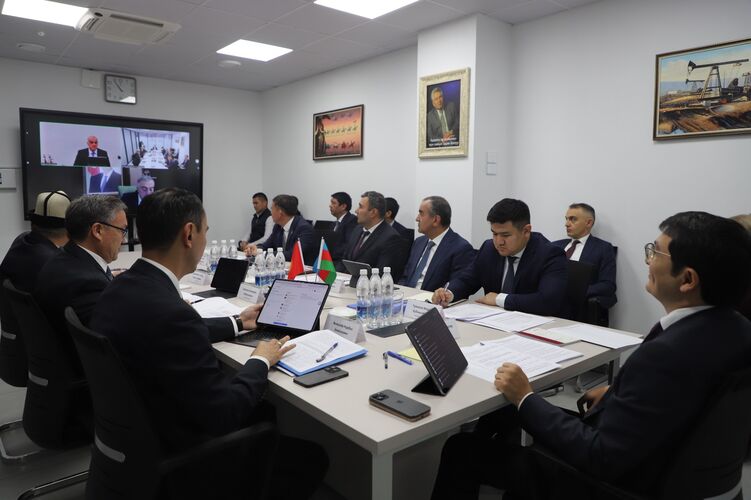
BISHKEK, Kyrgyzstan, November 1. The Azerbaijan-Kyrgyz Development Fund (AKDF) has approved financing for the construction of a small hydropower plant (HPP) in Kyrgyzstan, Trend reports via the Ministry of Economy and Commerce of Kyrgyzstan. The decision was made following the sixth meeting of the AKDF Board, which took place in Bishkek under the chairmanship of First Deputy Minister of Economy of Azerbaijan Elnur Aliyev. The board sanctioned capital allocation for the development of a 5.4 MW micro hydropower plant. The infrastructure will be established along the Kulun river within the jurisdiction of the Kara-Kulja district, situated in the Osh region. The aggregate projected expenditure for the initiative is quantified at $5.2 million, with the AKDF contributing $2.5 million to the financial architecture. The operationalization of the hydroelectric power plant is anticipated to substantially enhance energy resilience and catalyze economic advancement within the locality. The initiative is anticipated to generate employment opportunities, enhance the production capacity of the Osh region, and mitigate the nation's reliance on energy imports. During the convening, stakeholders engaged in a comprehensive review of the fund's regulatory frameworks, deliberated on existing synergies, and were apprised of a suite of supplementary investment strategies. The Azerbaijan-Kyrgyz Development Fund (AKDF) is a financial institution established in 2022 by Azerbaijan to promote economic cooperation, investment, and modernization between the two nations. The fund finances priority projects in sectors like energy, agriculture, tourism, and textiles in Kyrgyzstan, utilizing various financial instruments such as loans and investments, with the goal of stimulating bilateral trade and economic ties. Stay up-to-date with more news on Trend News Agency's WhatsApp channel
Azerbaijan exported non-oil products worth $147.3 million to Ukraine from January through September 2025. This marks an increase of $67 million, or 83.4 percent, compared to the same period in 2024. In September alone, exports reached $15.5 million, up $7 million, or nearly double, year on year.
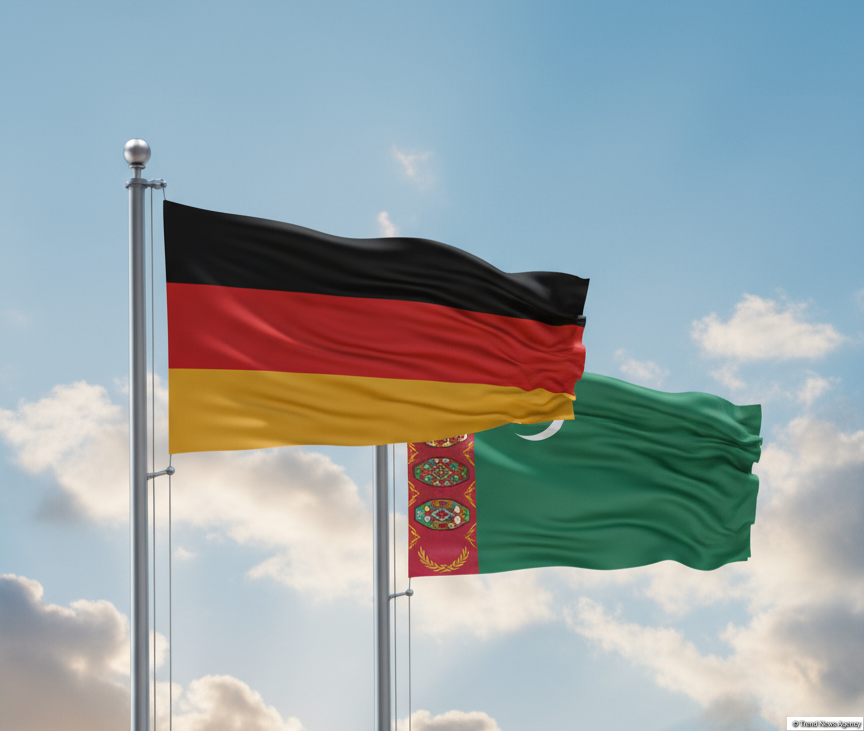
BAKU, Azerbaijan, November 1. Turkmenistan is pulling out all the stops to carve out its niche as a vital economic player in Central Asia, solidifying its standing as a go-to partner for Germany and the European Union. With a treasure trove of natural gas reserves, the country is casting its net wide for diversification and modernization, turning it into a magnet for long-term investments in energy, chemicals, agriculture, and transport sectors. The recent “Turkmenistan Economic Days in Germany,” held in Frankfurt am Main, served as an important indicator of deepening partnerships. The forum, which brought together over 50 leading German companies—including Deutsche Bank AG, Commerzbank AG, Siemens Energy, CLAAS GmbH, John Deere International GmbH, and BASF—and 51 Turkmen companies, confirmed a shift from trade relations to large-scale technological and financial collaboration. Turkmenistan’s cooperation with German financial institutions and industrial guarantors demonstrates a significant level of commitment. The aggregate capital deployment for collaborative initiatives underwritten by Deutsche Bank, Commerzbank, and Euler Hermes is projected to approximate $700 million. The capital allocation is strategically channeled into pivotal infrastructure, healthcare, and industrial initiatives, serving as collateral for German export activities while mitigating investment exposure risks. Moreover, Siemens Energy Global GmbH & Co. KG is on the verge of putting pen to paper on a contract with Turkmenistan’s state company Turkmengaz, ringing in at a hefty $108 million. The agreement focuses on modernizing the gas transportation system through the repair of compressors and power turbines. From 2020 through 2025, another German company, BASF SE, delivered chemical reagents worth over $25 million. The Turkmen side has articulated a keen interest in formalizing a direct, long-term contractual agreement aimed at streamlining logistics and enhancing supply chain efficiencies. In an interview with Trend, Vladimir Nikitenko, Regional Director of the Eastern Committee of German Business, noted that Turkmenistan’s high GDP per capita, supported by abundant natural gas reserves, enables the government to invest in deep industrial modernization using advanced, often German, technologies. “Digitalization and sustainable infrastructure are also becoming key drivers of a new phase in German-Turkmen cooperation. Turkmenistan is modernizing its energy, water management, and logistics sectors—precisely areas where German companies have strong technological advantages. This includes smart grids, automation, water efficiency improvements, and wastewater treatment,” he emphasized. This seals the deal that the appetite for German engineering and digital know-how is here to stay and part of the big picture. The growth of digital and green infrastructure is set to be the name of the game for collaboration in the years ahead. “As Turkmenistan expands its connectivity through new transport and trade corridors linking Central Asia with Europe, digital infrastructure and green technologies will become the most dynamic drivers of bilateral cooperation,” he added. Even though the state sector holds the reins, the blossoming of Turkmenistan’s private economy is throwing open the doors for German Mittelstand companies, especially in the realms of textiles, agricultural trade, and logistics along the Middle Corridor. “German Mittelstand companies traditionally supply Turkmen partners with machinery, industrial equipment, and production technologies, often through local distributors. This model minimizes bureaucratic barriers while simultaneously building trust and sustainable cooperation,” Nikitenko explained. The Eastern Committee of German Business (OA) is all in on this endeavor, putting pen to paper on a cooperation roadmap in 2023 that spans eight sectors, from energy to healthcare and textiles. Cooperation between Turkmenistan and Germany is a whole new ball game, reaching far beyond the usual trade routes. The Frankfurt forum, attended by over 200 investment-focused participants, demonstrated that German businesses see Turkmenistan as a long-term, technologically promising market and a platform for joint innovation. Underpinned by a robust $700 million in fiscal assurances and significant technological accords, including Siemens Energy’s $108 million pact, this collaboration enhances economic interlinkages between Europe and Central Asia. Stay up-to-date with more news on Trend News Agency's WhatsApp channel
The Iran Energy Exchange (IRENEX) experienced a significant uptick in weekly activity, with aggregate transactions approximating $205 billion, propelled by a pronounced escalation in hydrocarbon product sales.
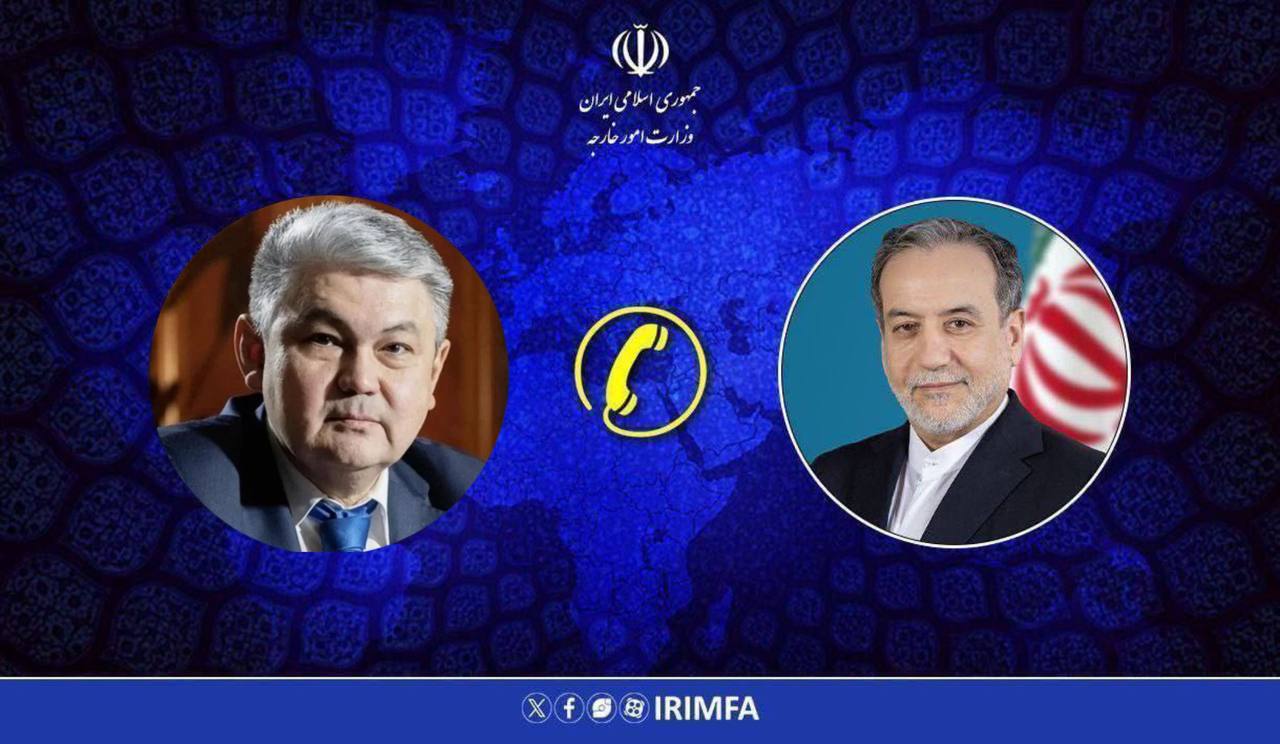
BAKU, Azerbaijan, November 1. Iran and Kazakhstan have expressed interest in developing comprehensive cooperation across various fields, including political, economic, scientific, and cultural spheres, Trend reports. This was highlighted during a phone conversation between Iranian Foreign Minister Seyyed Abbas Araghchi and Kazakh Foreign Minister Yermek Kosherbayev. The ministers emphasized the importance of maintaining positive and constructive relations between the two countries. They also underscored the value of effective participation in regional and international organizations, including the Economic Cooperation Organization (ECO), agreeing to continue consultations in this regard. During the call, the Iranian Foreign Minister congratulated his Kazakh counterpart on his appointment and expressed hope for continued close cooperation between Iran and Kazakhstan in the new period. Stay up-to-date with more news on Trend News Agency's WhatsApp channel
BAKU, Azerbaijan, October 30. A delegation of the Federal National Council (FNC) of the United Arab Emirates (UAE), led by its Speaker Saqr Ghobash, who is on an official visit to Azerbaijan, visited the Azerbaijani Parliament on October 30, the parliamentary press service told Trend. The delegation toured the parliamentary chamber and visited the Heydar Aliyev Museum, where Saqr Ghobash signed the memorial book. Later, Speaker of the Azerbaijani Parliament Sahiba Gafarova held a one-on-one meeting with the UAE FNC Speaker, followed by expanded talks between both delegations. Speaker Gafarova expressed appreciation for the UAE’s participation in the International Parliamentary Conference dedicated to the 30th anniversary of Azerbaijan’s Constitution on October 29 and commended Saqr Ghobash’s speech at the event. She emphasized that the UAE Speaker’s first official visit to Azerbaijan would significantly contribute to strengthening friendship, cooperation, and inter-parliamentary ties between the two nations. The sides highlighted the strategic partnership between Azerbaijan and the UAE, underpinned by historical, cultural, and religious ties, and praised the dynamic development of bilateral relations. They also underscored the importance of high-level visits, political dialogue, and the growing cooperation in fields such as renewable energy, where joint large-scale projects play a vital role. For his part, Saqr Ghobash expressed satisfaction with his first official visit to Azerbaijan and his participation in the conference, noting that the UAE attaches great importance to developing relations with Azerbaijan. He shared his impressions from his meeting with President Ilham Aliyev, emphasizing that the relationship between the two countries is based on mutual respect, trust, and genuine friendship, serving the interests of both nations. During the convening, both parties engaged in a dialogue regarding the prevailing conditions and future trajectories of inter-parliamentary synergy and deliberated on the operationalization of the Memorandum of Understanding on Parliamentary Collaboration previously ratified between the two legislative bodies. Stay up-to-date with more news on Trend News Agency's WhatsApp channel
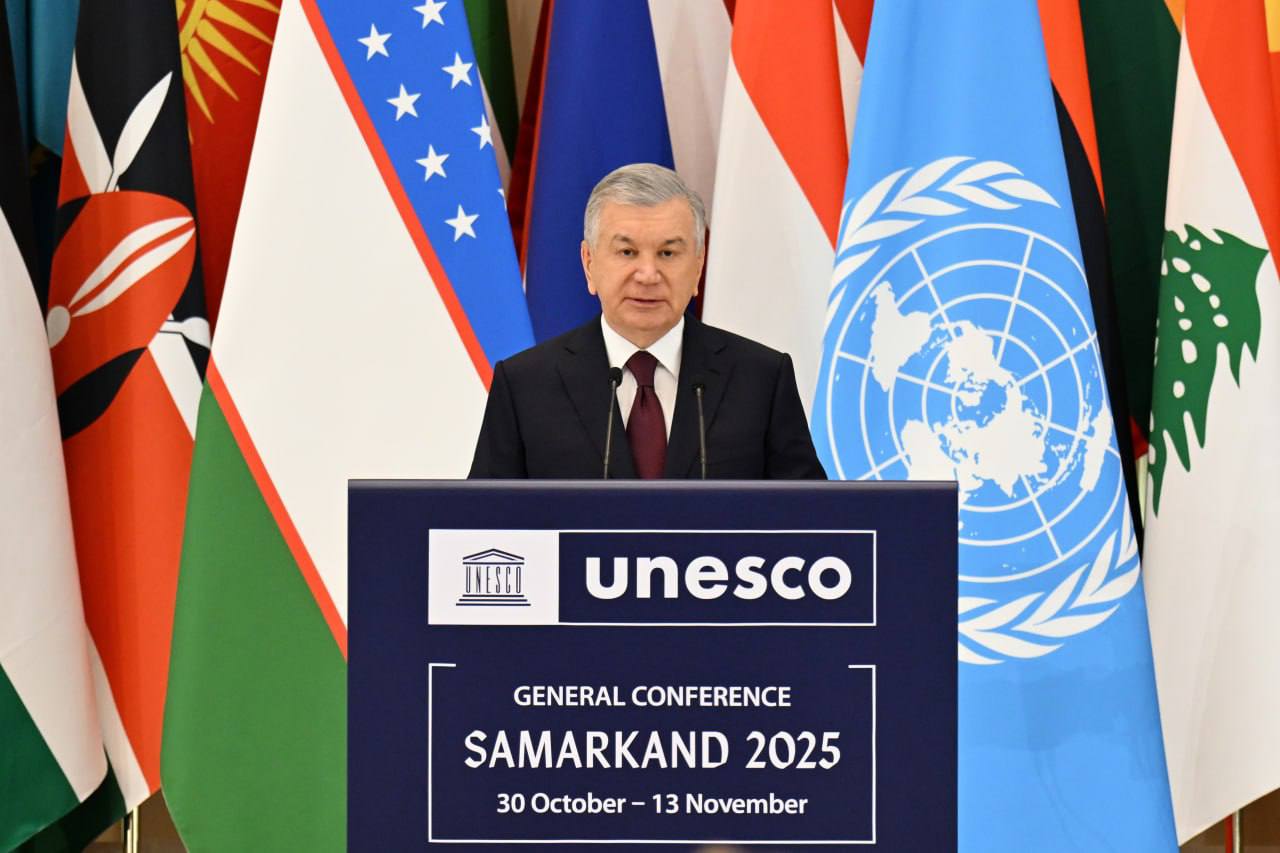
TASHKENT, Uzbekistan, October 30. President Shavkat Mirziyoyev, at the opening ceremony of the 43rd session of the UNESCO General Conference in Tashkent, proposed global initiatives, Trend reports via the press service of the Uzbek president. According to him, achieving UNESCO’s global goals and elevating multifaceted cooperation to a new level is the call of our time. The Head of State outlined a number of concrete initiatives aimed at strengthening international cooperation in education, science, culture, and sustainable development. President Mirziyoyev noted that developing inclusive education and integrating artificial intelligence technologies into the educational process have become urgent global priorities. He proposed establishing a UNESCO Platform for the Development of Inclusive Education for Children with Special Needs and holding a World Summit on Vocational Education to facilitate dialogue and the exchange of best practices. ''Uzbekistan is also ready to implement, jointly with UNESCO, a “School of Artificial Intelligence” model project and to host an International Expert Forum on AI Ethics, bringing together representatives of leading universities, pedagogical institutions, and research centers from all continents,'' he emphasized. Mirziyoyev emphasized the need to strengthen joint efforts to preserve the world’s intangible cultural heritage – “the invaluable treasure of humanity.” He proposed declaring November 19, the date on which UNESCO’s “Memory of the World” Program was founded, as the International Day of Documentary Heritage, and establishing an International Institute for Digital Heritage within UNESCO. Highlighting that the ancient city of Bukhara is part of UNESCO’s Creative Cities Network in the field of crafts, he announced Uzbekistan’s readiness to host an International Handicrafts Congress there in 2027. President Mirziyoyev also underscored the importance of promoting women’s leadership and competencies. Citing UNESCO statistics that women hold only 25 percent of leadership positions in scientific and cultural institutions, 30 percent among education managers, and 33 percent among researchers, he proposed establishing a UNESCO Academy on Women’s Leadership to exchange best practices and holding a Global Forum of Women Leaders in Education, Culture, and Science in Samarkand. Touching on climate issues, the Uzbek leader called for joint action to combat the effects of the climate crisis, which increasingly threaten cultural heritage sites. He put forward the “UNESCO Ecological Capital” global initiative to recognize cities implementing environmentally responsible and “green” programs, and expressed readiness to host an International Symposium in Khiva on safeguarding cultural heritage amid globalization and climate change. Mirziyoyev also called attention to the growing threat of misinformation and manipulation in the digital space. He proposed holding an International Festival of Children’s Cultural Content to promote creativity and media literacy among youth, as well as developing a UNESCO Comprehensive Strategy on Media and Information Literacy. Following his speech, the President stressed the importance of fostering universal values such as tolerance, mutual understanding, and interfaith harmony, especially amid the intensifying global polarization. He emphasized that by promoting the culture and enlightenment of Islam, it is possible to effectively counter radicalism and Islamophobia, and invited all partners to engage in joint work through Uzbekistan’s unique institutions — the Center for Islamic Civilization and the research centers of Imam Bukhari, Imam Maturidi, Imam Termizi, and Bahouddin Naqshband.
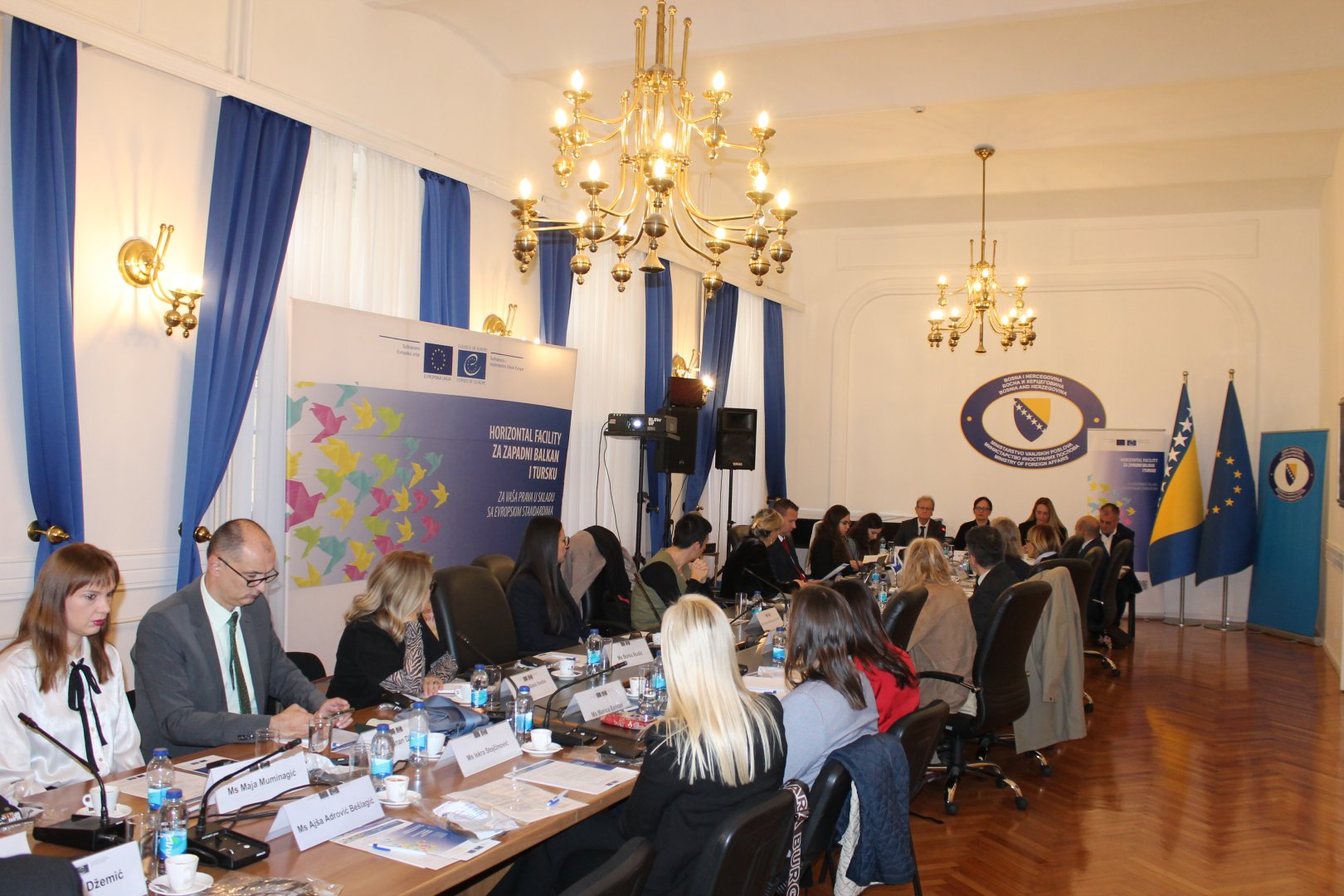
BAKU, Azerbaijan, October 30. Representatives of institutions, the European Union, and the Council of Europe met in Sarajevo for the third meeting of the Steering Committee of the Horizontal Facility for the Western Balkans and Türkiye, Trend reports. During the meeting, discussions focused on the progress Bosnia and Herzegovina has made in the areas of justice, human rights, education, and media freedom, and on how these efforts are bringing tangible improvements to citizens’ daily lives. Opening the meeting, Aida Hodžić, Acting Assistant Minister at the Ministry of Foreign Affairs of Bosnia and Herzegovina, stated that this program is much more than technical assistance. “It is a symbol of our joint approach—where European standards are not perceived as an ‘external’ obligation, but as a natural continuation of what we want for our society: strong institutions, accessible justice, freedom of expression, and equality for all citizens.” Karel Lizerot, Head of Operations I, Delegation of the European Union to Bosnia and Herzegovina, said that the European Union remains a reliable partner of Bosnia and Herzegovina in implementing reforms that bring real improvements to citizens’ daily lives. “Through the Horizontal Facility program, we provide support for strengthening the rule of law, protecting human rights, promoting inclusive education, and improving media freedom. This partnership between the EU, the Council of Europe, and the authorities of Bosnia and Herzegovina demonstrates our shared commitment to European values and the country’s path toward EU membership.” Schnutz Dürr, Head of the Programming Department at the Directorate of Program Coordination of the Council of Europe, added: “Together with the European Union and in partnership with beneficiaries, the Council of Europe remains committed to providing relevant support in various areas of implementation. By responding to recommendations from monitoring and advisory bodies of the Council of Europe, as well as EU enlargement reports, this support aims to advance Bosnia and Herzegovina’s reform program and progress in EU accession negotiations.” The meeting brought together representatives of key ministries of Bosnia and Herzegovina, judicial and police institutions, educational and equality bodies, as well as civil society organizations. Participants exchanged experiences, reviewed progress achieved under ongoing actions, and discussed priorities for the next phase of the program. The Horizontal Facility for the Western Balkans and Türkiye is a cooperation initiative of the European Union and the Council of Europe, whose third phase runs from 2023 to 2026. The program supports beneficiaries in fulfilling reform agendas in the areas of human rights, the rule of law, and democracy, in accordance with European standards and EU accession priorities.
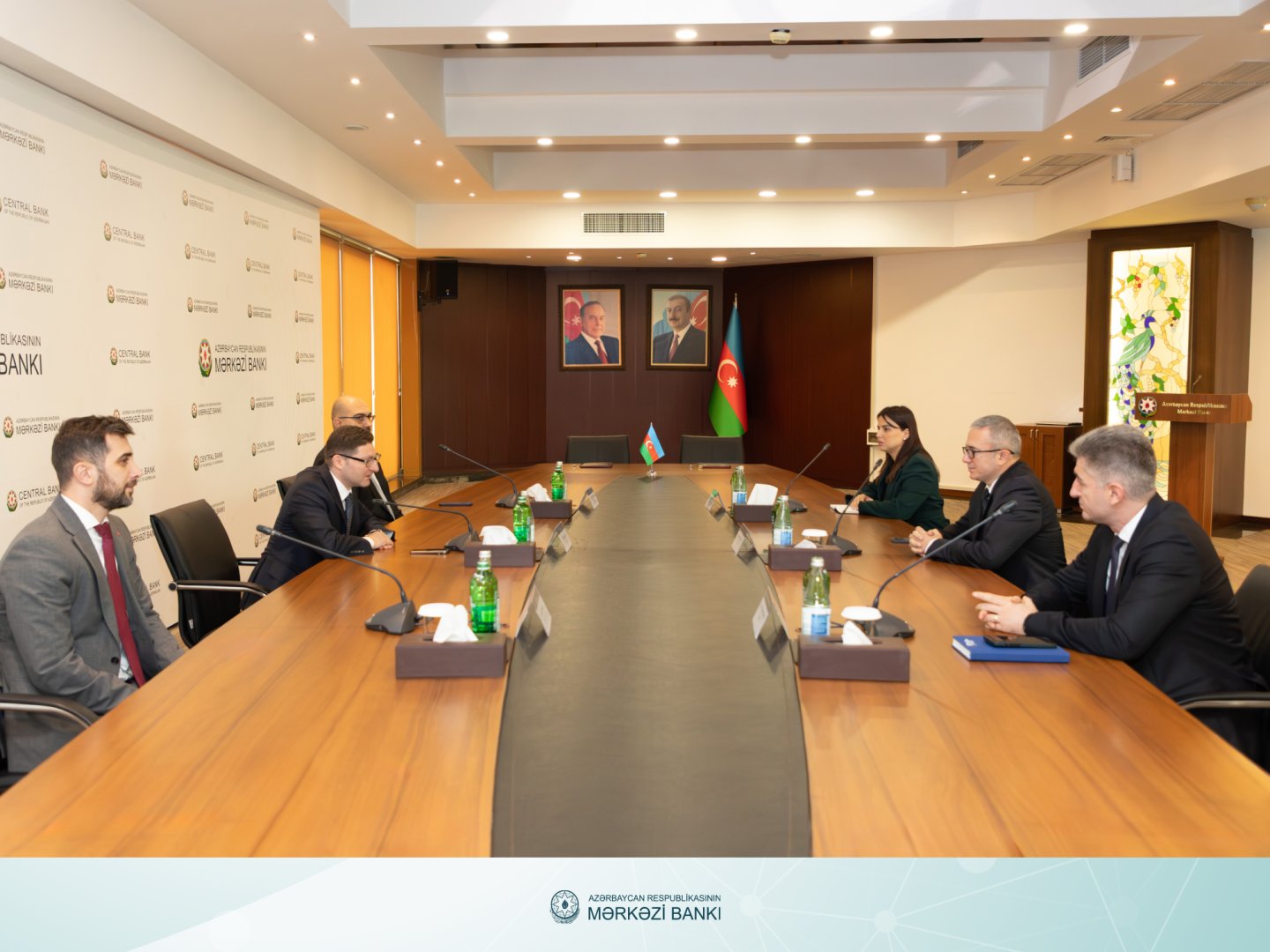
BAKU, Azerbaijan, October 30. The Central Bank of Azerbaijan (CBA) and the Electronic Security Service (ESS) under the Ministry of Digital Development and Transport are enhancing cooperation to strengthen information security and cybersecurity across the country’s financial sector, Trend reports via the CBA. The partnership aims to ensure coordinated action in cybersecurity, organize joint initiatives, and establish mutual information exchange regarding incidents, cyberattacks, and other digital threats. CBA Deputy Governor Vusal Khalilov stated that this partnership will contribute significantly to enhancing the cybersecurity and resilience of Azerbaijan’s financial system. He emphasized that the initiative marks an important step toward closer cooperation in strengthening the security of the national cyber environment. ESS head, Farid Zeynalov, noted that the partnership will play a crucial role not only in the financial sector but also in reinforcing the overall cybersecurity infrastructure of the country. He added that improved coordination between the two sides will allow cybersecurity measures to be implemented more systematically and effectively. As part of the cooperation, awareness-raising initiatives will also be launched to improve cybersecurity knowledge among financial sector participants and the general public. Stay up-to-date with more news on Trend News Agency's WhatsApp channel
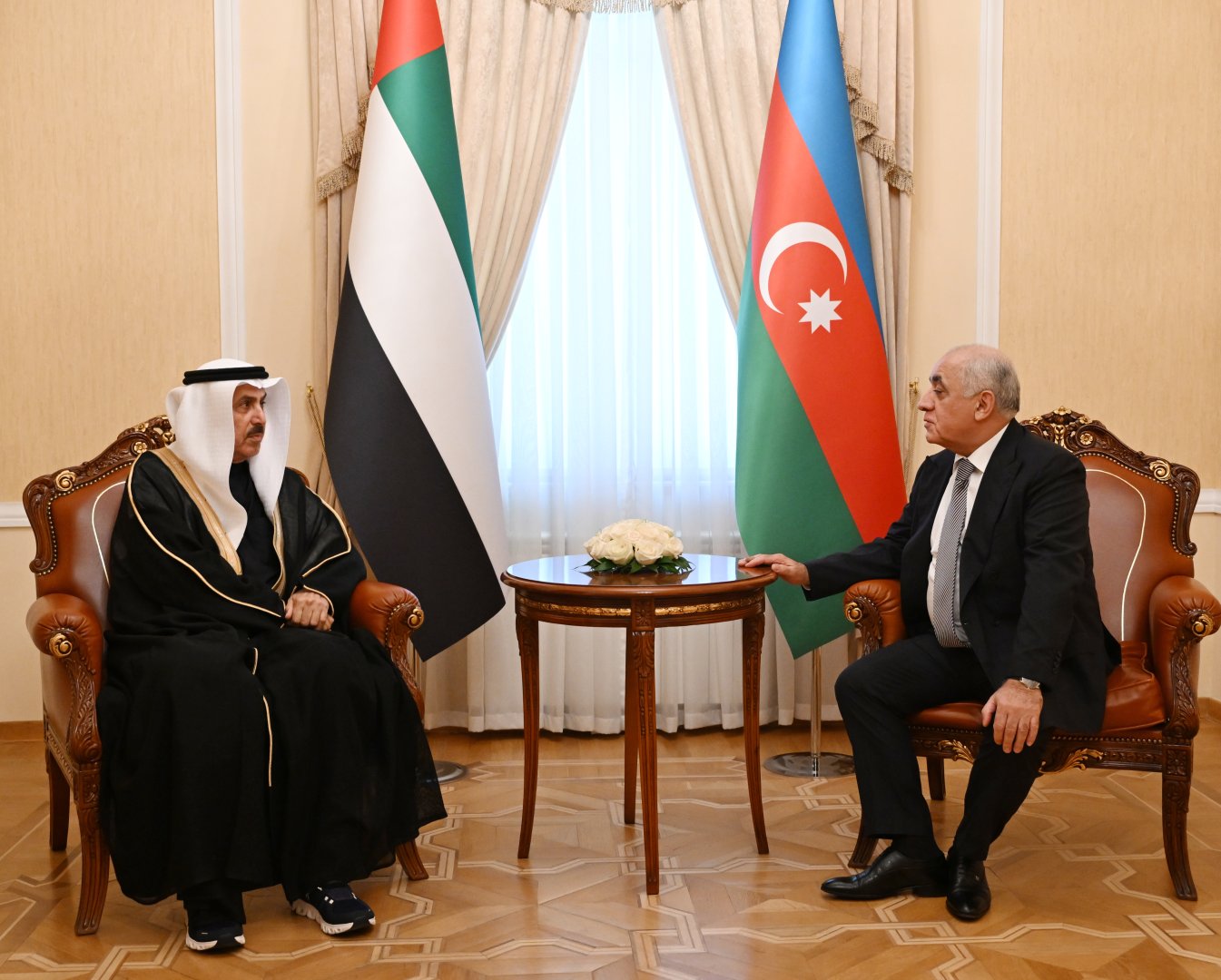
BAKU, Azerbaijan, October 30. Prime Minister of Azerbaijan, Ali Asadov, met on October 30 with Saqr Ghobash, Speaker of the Federal National Council of the United Arab Emirates (UAE), to discuss the further development of bilateral relations, the Cabinet of Ministers told Trend. The meeting highlighted that, thanks to the joint efforts of President Ilham Aliyev of Azerbaijan and President Sheikh Mohamed bin Zayed Al Nahyan of the UAE, relations between the two countries have reached a high level of development and continue to progress dynamically. Moreover, it was noted that the signing of the "Joint Declaration on Comprehensive Strategic Partnership between the Republic of Azerbaijan and the United Arab Emirates" in September this year marked a new stage in bilateral relations. The sides underlined the importance of maintaining effective cooperation and mutual support within international organizations. The role of parliamentary diplomacy was also emphasized, noting that reciprocal visits and the activities of friendship groups in both parliaments play an important role in strengthening comprehensive cooperation. In the course of the meeting, the sides discussed prospects for mutually beneficial collaboration in trade and economy, investment, renewable energy, oil and gas, information technologies, artificial intelligence, and other key sectors. Stay up-to-date with more news on Trend News Agency's WhatsApp channel
BAKU, Azerbaijan, October 30. Representatives of Thüringen International (LEG Thüringen) and the Eastern Committee of the German Economy (Ost-Ausschuss der Deutschen Wirtschaft e.V., OA) will be visiting Baku on a research business mission from November 4 through 7, Trend reports citing LEG Thüringen mbH. The mission sets out to peel back the layers of market opportunities in the South Caucasus, zeroing in on companies that are making waves in logistics, digitalization, green energy, and sustainable technologies. The program includes networking events, cooperation exchanges, company visits, and symposia. Azerbaijan is putting its eggs in the renewable energy basket, throwing its hat in the ring with investments in wind, solar, and green hydrogen projects, while also strengthening its position as a key logistics hub along the Trans-Caspian Corridor, connecting Europe and Asia. The forthcoming engagement is anticipated to facilitate stakeholders in discerning sectoral paradigms and acquiring critical intelligence for the formulation of resilient business frameworks within the energy and logistics domains. LEG Thüringen mbH (Landesentwicklungsgesellschaft Thüringen mbH) is a wholly-owned subsidiary of the Free State of Thuringia, Germany, established to support the region's business, technological, and urban development by managing real estate, attracting investors, marketing the location, and securing skilled workers. It acts as a competent partner for business development, urban planning, environmental protection, and digital infrastructure, working with municipalities and clients to make Thuringia an attractive place to live, work, and invest. Stay up-to-date with more news on Trend News Agency's WhatsApp channel
BAKU, Azerbaijan, October 30. The European Bank for Reconstruction and Development (EBRD) will provide ProCredit Bank Georgia (PCBG) with a loan of up to 15 million euros for on-lending to micro, small, and medium-sized enterprises (MSMEs) owned by young people in Georgia under the Youth in Business (YiB) Caucasus program, Trend reports via the EBRD. This will be the first YiB program transaction in Georgia, expanding the program’s reach to another country. “The credit line aims to increase lending to young entrepreneurs and MSMEs, support the development of PCBG’s internal capacity, and facilitate knowledge transfer to young business owners and managers. The project is designed to promote inclusive and competitive development. Inclusiveness: The financing will help overcome barriers faced by young entrepreneurs in accessing formal financial services and demonstrate that youth-led MSMEs represent a viable and sustainable banking segment. Competitiveness: The credit line will support lending to private youth MSMEs in Georgia’s regions outside the capital, encouraging ProCredit Bank Georgia to develop specialized financial products and service mechanisms while improving enterprise efficiency and growth through knowledge sharing and training,” the EBRD said. ProCredit Bank Georgia is part of the international ProCredit group, which focuses on development-oriented banking. The bank has operated in the Georgian market since 1999, serving more than 3,500 business clients and 6,800 individual clients through six branches and five service points. As of June 2025, the bank ranks seventh among 19 banks in Georgia by asset size, with a market share of two percent. Stay up-to-date with more news on Trend News Agency's WhatsApp channel
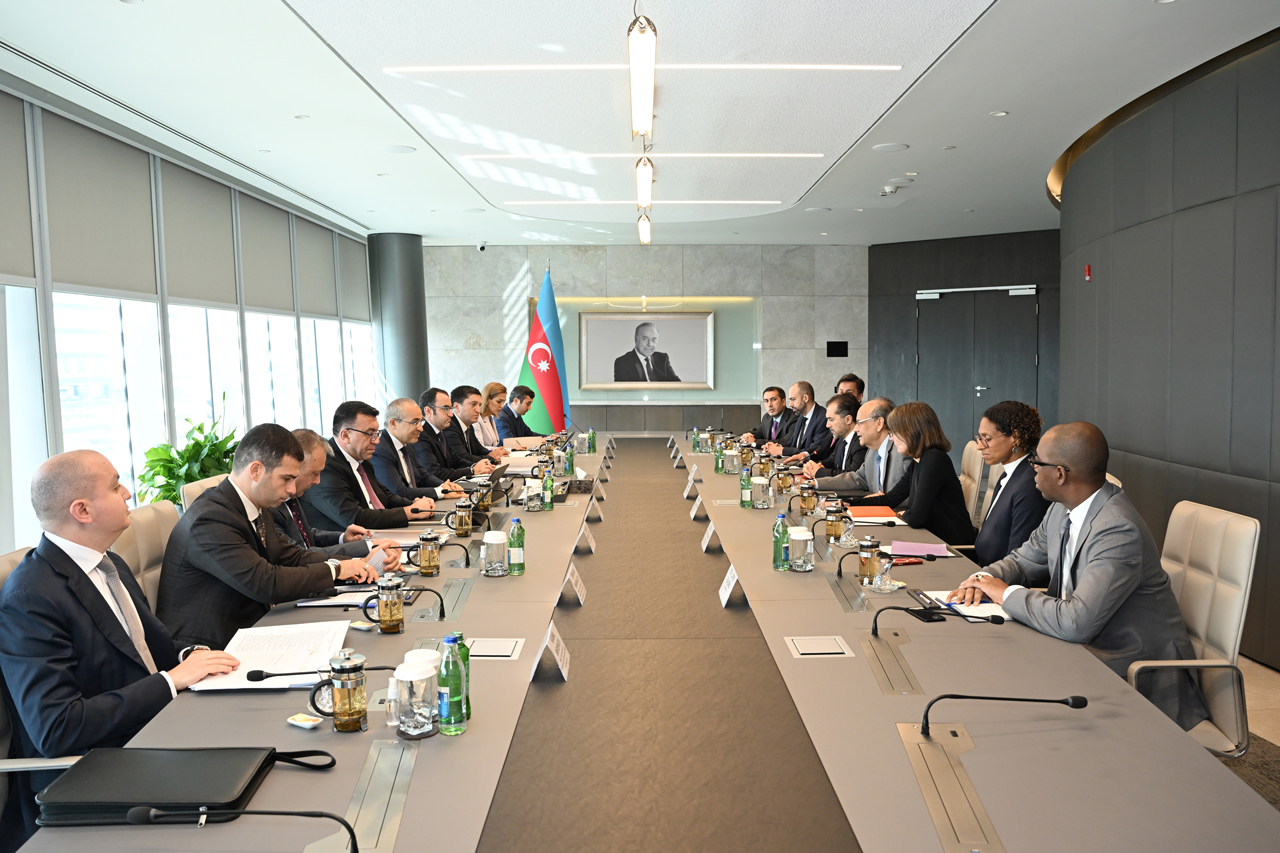
BAKU, Azerbaijan, October 30. A meeting was held in Azerbaijan with a delegation from the World Bank to discuss issues related to improving the business environment in the country and promoting sustainable economic growth and employment, Trend reports via the Ministry of Economy. Thus, Minister of Economy Mikayil Jabbarov met with a delegation headed by Asad Alam, World Bank Regional Director for Prosperity in Europe and Central Asia. The meeting noted the successful cooperation between Azerbaijan and the World Bank. In addition, information was presented on the dynamic development of business in Azerbaijan, the promotion of the non-oil and gas sector, the “green” and export-oriented economy, as well as support for entrepreneurship, especially small and medium-sized businesses. Problems and opportunities in these areas were also noted. Issues related to the development of the national economy, the importance of the private sector, the promotion of development-oriented investment, and support for innovative initiatives were discussed. The parties exchanged views on the areas planned for inclusion in the draft “Strategy for Socio-Economic Development of the Republic of Azerbaijan for 2027-2030,” improving the business environment, promoting sustainable economic growth, and employment. They considered the possibilities of applying the results of analyses conducted in international practice on intensive business development and research methodologies related to stimulating the private sector in Azerbaijan.
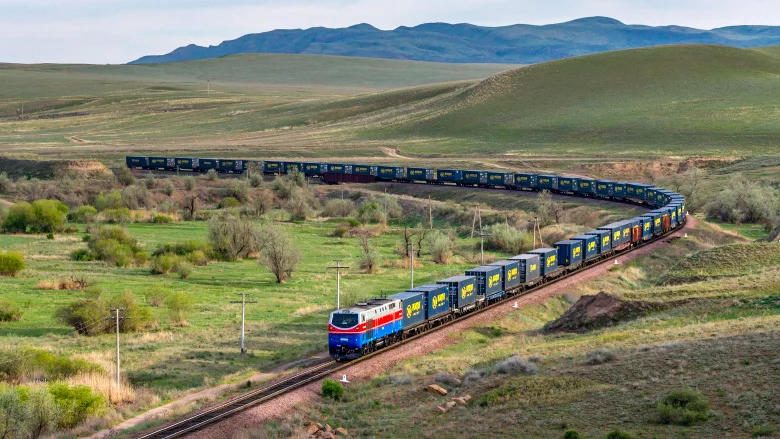
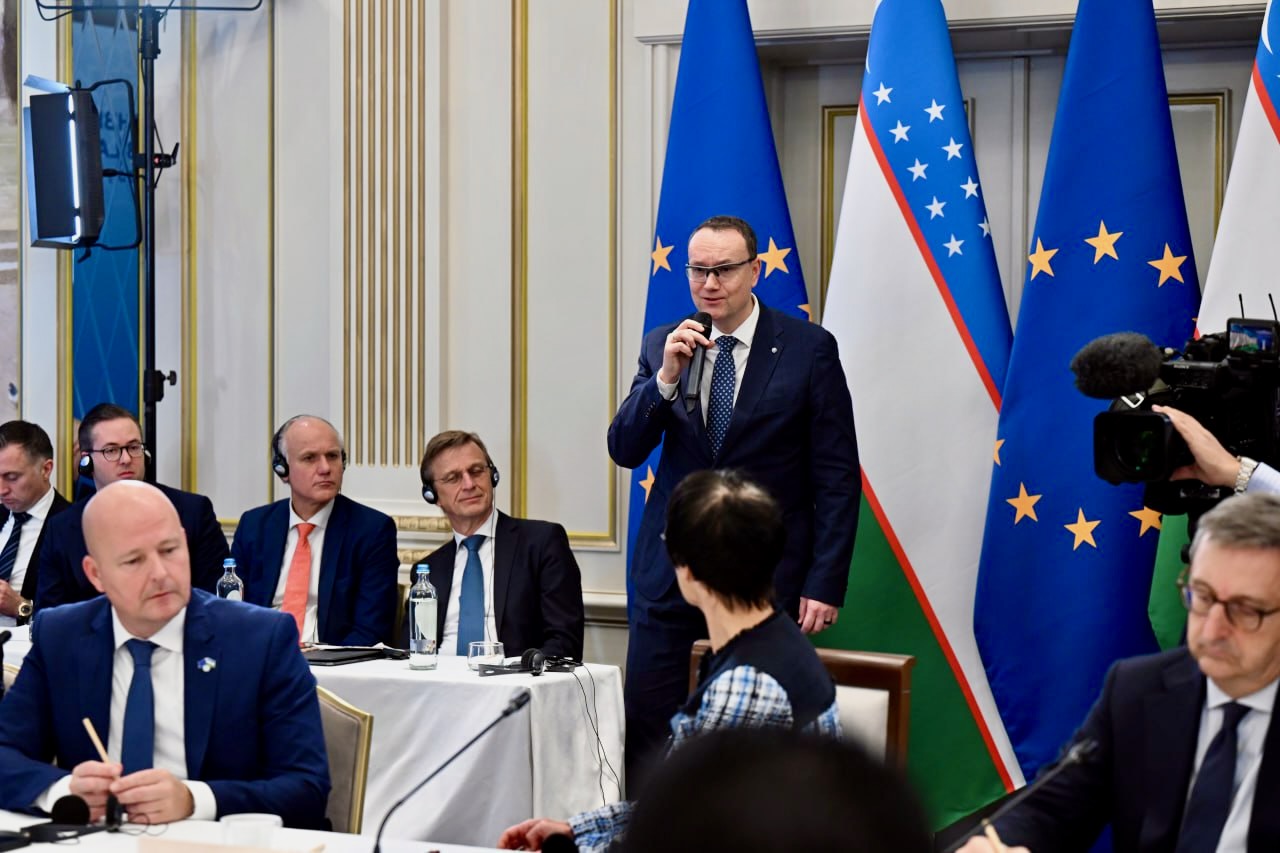
TASHKENT, Uzbekistan, October 30. Škoda Group has unveiled a strategic plan to enter the Uzbek market through a joint venture aimed at modernizing the country’s transport sector, Trend reports. The plan was presented during business talks between Uzbek representatives and leading European companies, held under the chairmanship of President Shavkat Mirziyoyev in Brussels. The round table focused on strengthening industrial and technological partnerships between Uzbekistan and Europe, particularly in transport infrastructure development. According to the company’s roadmap, the joint venture will prioritize three key areas: “Each of these three areas represents a tangible step toward fulfilling the goals of the new Enhanced Partnership and Cooperation Agreement and the EU’s Global Gateway strategy. Uzbekistan is opening up to new investments from European partners, and we are eager to contribute to its sustainable transport, education, and technological modernization,” said Petr Novotný, CEO of Škoda Group. During the meeting, Uzbek Minister of Transport Ilhom Rustamovich Maxkamov held bilateral negotiations with Škoda Group representatives to outline practical steps for cooperation in railway and urban transport. President Mirziyoyev praised Škoda’s contribution to developing Uzbekistan’s transport sector, emphasizing the importance of European technology transfer and long-term industrial collaboration. The meeting followed the signing of the Enhanced Partnership and Cooperation Agreement (EPCA) between the European Union and Uzbekistan — a landmark framework that deepens cooperation in investment, transport, energy, trade, and sustainable development. This agreement is expected to create new opportunities for European companies in Uzbekistan, while project financing will be facilitated by the EIB, with the backing of the European Commission’s Directorate-General for International Partnerships (DG INTPA) under the Global Gateway initiative.
BAKU, Azerbaijan, October 30. On October 30, the trial at the Baku Military Court on the criminal case against citizens of the Republic of Armenia continued with the announcement of documents related to the case, Trend reports. At the court hearing, a video footage recorded after the Tovuz events (Tovuz battles – ed.) in 2020 was reviewed upon the petition of the accused Davit Ishkhanyan. It should be recalled that D. Ishkhanyan’s lawyer filed a motion for the examination of the mentioned video at the court session held on October 24. The video, posted on YouTube on August 28, 2020, was presented. The material features the awarding ceremony of Armenian militants by Armenian Prime Minister Nikol Pashinyan in Sardarabad. During the event, also attended by Arayik Harutyunyan, Pashinyan noted that the decorated military servicemen had all been actively involved in the July battles. Public Prosecutor Vusal Abdullayev questioned the accused Arayik Harutyunyan. He first noted that the video shows Armenian military servicemen involved in the July battles being awarded, and asked for what purpose and in what capacity the accused had been invited to that event. The prosecutor further emphasized that on July 19, 2020, a meeting of the Joint Security Council of the Republic of Armenia and the so-called regime was held. He inquired about the purpose of that meeting, noting that there had been no connection between the July battles and the illegal regime, and asked what issues were addressed during the gathering. In response to the state prosecutor’s inquiries, the accused stated that the “representatives” of the illegal regime had been regularly invited to such meetings. According to him, the meeting addressed issues related to the security of the Republic of Armenia, the state of readiness of the Armenian army, and possible war scenarios. The court proceedings continue against citizens of Armenia accused of committing crimes as a result of Armenia’s military aggression against Azerbaijan, including war crimes, crimes against humanity, genocide, aggression, terrorism, and violations of the laws and customs of war. The charges also include financing terrorism, the violent seizure and retention of power, and other serious offenses. Stay up-to-date with more news on Trend News Agency's WhatsApp channel
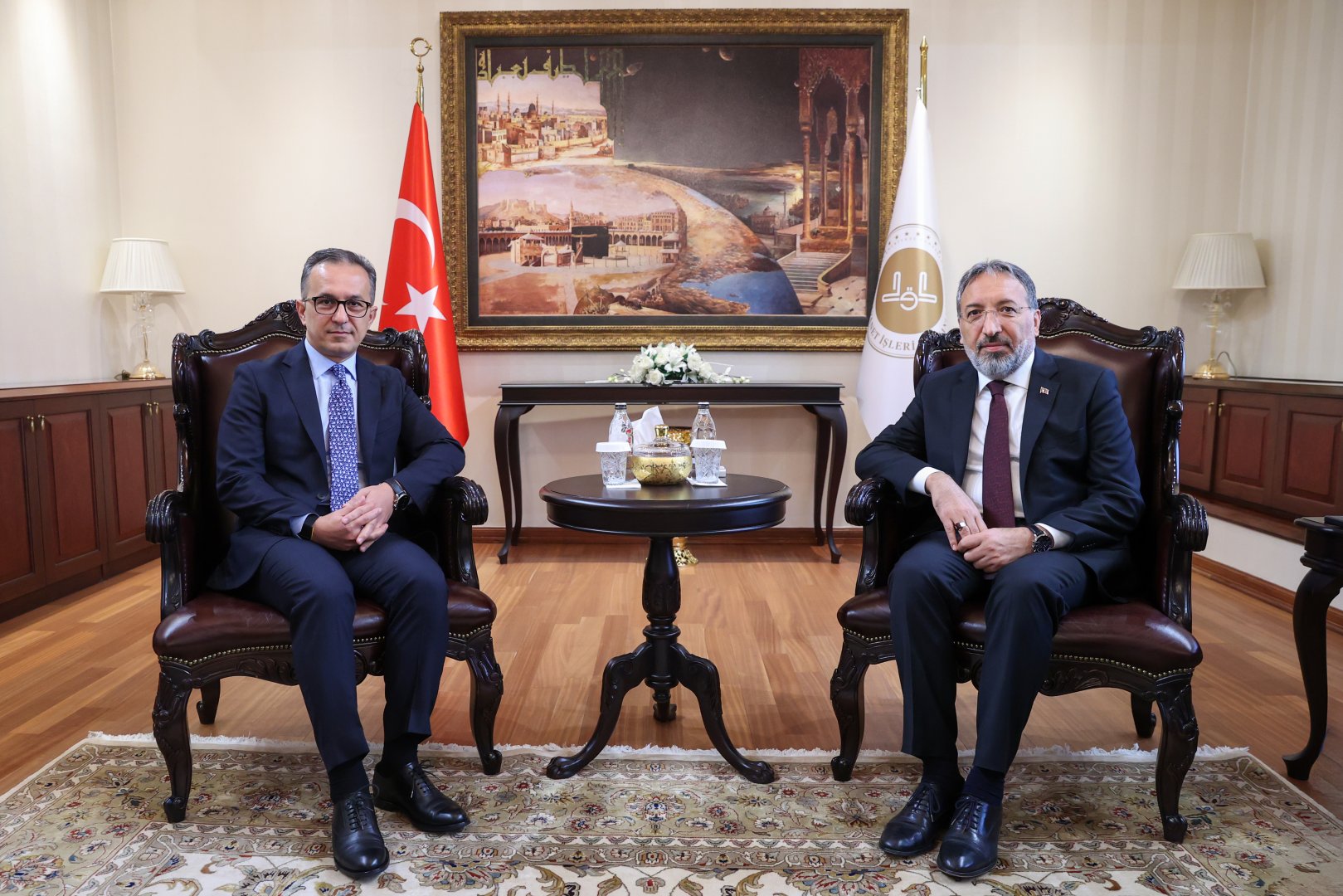
BAKU, Azerbaijan, October 30. Ramin Mammadov, Chairman of the State Committee of the Republic of Azerbaijan for Work with Religious Organizations, met with Safi Arpaguş, Chairman of the Directorate of Religious Affairs of the Republic of Türkiye, to discuss further cooperation in the fields of religion and education on October 30, Trend reports via the State Committee. At the meeting, the sides emphasized that the fraternal relations between Azerbaijan and Türkiye have deep historical roots, and the political will of the leaders of the two countries provides a strong foundation for developing cooperation. Mammadov congratulated Safi Arpaguş on his appointment and expressed confidence that collaboration between the two brotherly nations in the religious sphere will continue to expand. He highlighted that President Ilham Aliyev prioritizes the protection and promotion of national spiritual values, cultural heritage, traditions, and customs, ensuring religious freedom in Azerbaijan. Mammadov also noted that mutual understanding and effective cooperation among religious communities in Azerbaijan have been strengthening each year, contributing to a unique and successful model of state-religion relations that supports religious communities, education, and modern initiatives. Safi Arpaguş underscored that the brotherly and strategic partnership between Azerbaijan and Türkiye provides wide opportunities for deepening cooperation, particularly in religious education, enlightenment, and personnel training. Furthermore, the meeting also addressed joint projects on multiculturalism and tolerance, strategies to combat religious radicalism and extremism, and the enhancement of scientific and educational collaboration between the Azerbaijan Institute of Theology and Türkiye’s Directorate of Religious Affairs Academy. The meeting was also attended by Rashad Mammadov, Ambassador of Azerbaijan to Türkiye. Stay up-to-date with more news on Trend News Agency's WhatsApp channel
Ваша реклама здесь
728x90